Trump and Iowa Governor-Elect Sand Debate Lead Munitions Detonation
Leadership remains unclear as the Army prepares to detonate hazardous lead munitions in Iowa while officials pass responsibility for the high-stakes decision.
By Ama Romero ·
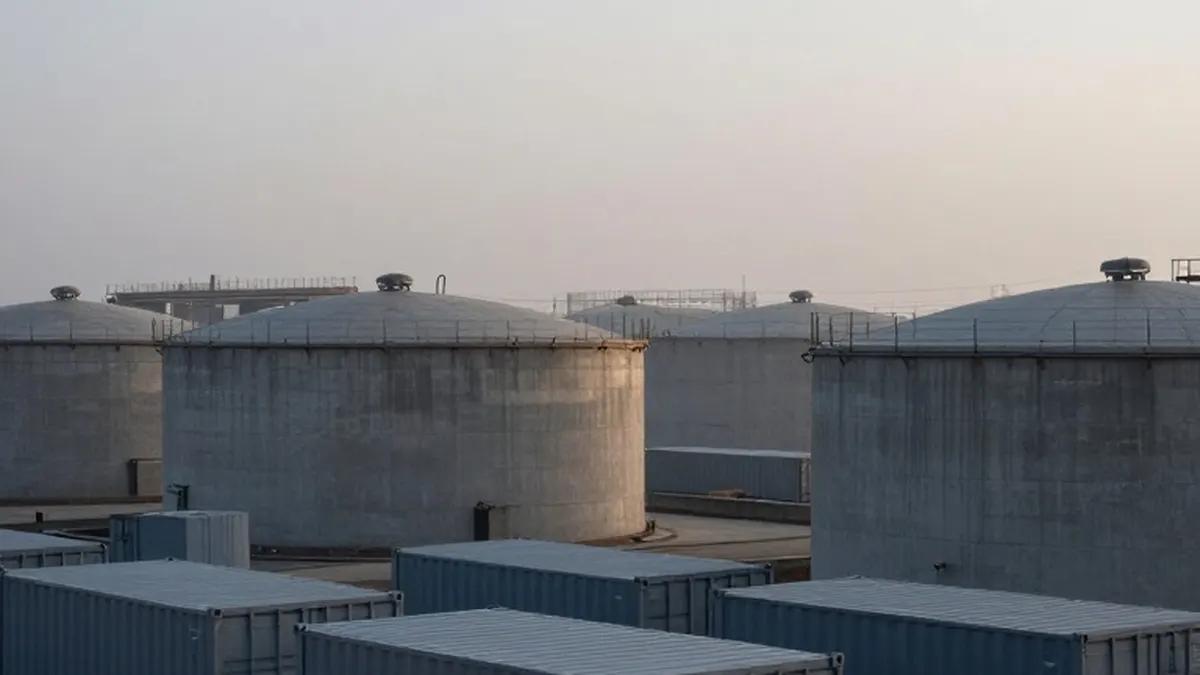
A political standoff has emerged over the planned detonation of lead-containing munitions at the Iowa Army Ammunition Plant in Middletown. Neither President Donald Trump nor Iowa Governor-Elect Rob Sand appears eager to assume full ownership of the controversial decision, which has sparked significant public concern about potential lead exposure.
The Army originally intended to proceed with the controlled demolition on Wednesday, November 25. However, on Monday, November 23, President Trump stated he would pause the operation if Sand or the Eighth U.S. Circuit Court of Appeals raised objections. Neither party formally objected, and Sand released a statement indicating that the federal administration should make the final determination.
The central issue involves degraded lead azide, a neurotoxic substance that poses specific risks to children. The Army issued a public advisory on November 15, announcing plans to detonate the material within five days. This action would release a plume of lead-containing particles into the atmosphere. Health experts warn that lead exposure can cause brain damage, learning problems, and lower IQ in children, while adults may face kidney and heart issues.
Alex Souchen, a professor of military history and pollution at the University of Guelph, described the situation as selecting the best option from a bad set of choices. He questioned why the issue only became urgent now, noting that the military had known about the long-term storage problems for months. Souchen argued that the delay precipitates further inquiries into safety protocols and the stability of other ordnance stored at the facility.
Peter DeCarlo, an air pollution professor at Johns Hopkins University, explained that lead does not break down. If the dust settles on the ground, it creates a long-term exposure risk, particularly for young children who play on the floor. An official environmental analysis concluded that while the detonation would generate short-term air pollutants, inaction risked an accidental, uncontrolled explosion that could create a large hazardous debris field.
Public outrage grew after the Army provided short notice for the operation, prompting environmental organizations to sue over the EPA’s emergency permit. The detonation date was shifted from the original timeline to Monday and then to Wednesday. On Monday, Trump wrote on Truth Social that while he supported removing the long-term problem, he had ordered the military to wait for court approval and Sand’s consent.
Trump added that if Sand or the courts disagreed, the White House would be forced to hold the incoming governor responsible for any resulting damage. Sand responded by deferring to the federal government but emphasized that everyday Iowans deserve answers on how Middletown reached this point. Meanwhile, the appeals court denied an emergency request from environmental groups to halt the detonation.
Acting Army Secretary Adam Telle previously noted that the detonation needed to occur before a forecasted temperature drop that could destabilize the material. While the government claims to have planned for the event since March, the Army has not released an evacuation plan or a detailed fallout map. Estimates for the plume’s travel range vary, with the government suggesting up to 20 miles and the Iowa Environmental Council estimating closer to 100 miles.
The New York Times reported that the Army had considered chemically treating the munitions instead of detonating them. A hired firm, MuniRem Environmental, stated its contract was canceled for safety reasons, though its CEO believes chemical neutralization remains viable. The government’s analysis rejected this option due to the risk of accidental detonation while agitating shock-sensitive crystals.
As of Monday evening, it remained unclear whether the detonation would proceed on Wednesday. Questions persist regarding the impact on nearby farms, livestock, and vulnerable residents who cannot relocate. Souchen noted that military personnel at the lower end of the command hierarchy would be among those most affected and deserve a voice in the process.
More News · National news · Report a business · Got a Story?