Senate approves fast-track energy bill, aiming to cut household costs
The 62-33 vote clears a path for quicker data center and power plant approvals, though environmentalists warn of weakened protections.
By Ama Romero ·
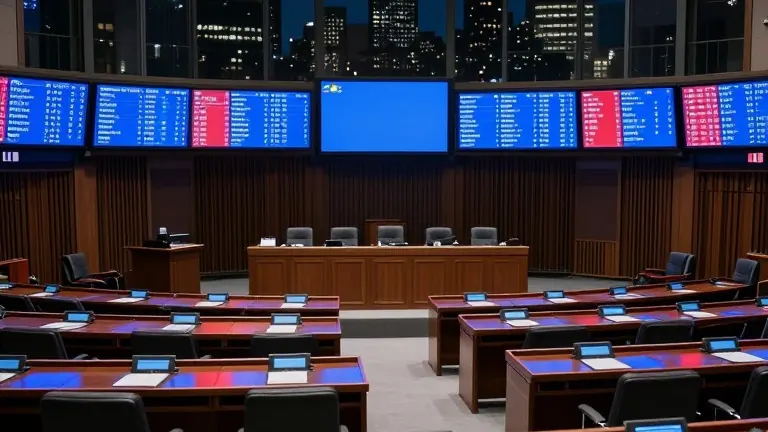
The U.S. Senate approved the Bipartisan American Affordability and Jobs Act on Thursday by a vote of 62 to 33. The legislation moves to the House, where it faces the next stage of legislative review. The bill was drafted by a bipartisan group of four senators, two Democrats and two Republicans.
Supporters argue the measure addresses rising energy expenses and growing demand from artificial intelligence infrastructure. The cost of a kilowatt-hour has increased by more than 6% over the past year, a rate that outpaces overall inflation. Over the last five years, that price has climbed by 39%.
Senate Majority Leader John Thune stated the bill would cut through decades of red tape. He projected the measure would save the average household hundreds of dollars each year while improving roads and manufacturing jobs. West Virginia Republican Sen. Shelley Moore Capito, a co-author, said the Senate finally made permitting reform a reality to address affordability concerns.
Rhode Island Democratic Sen. Sheldon Whitehouse, the other co-author, noted that Americans will see relief on energy bills if the House passes the bill. He added that the legislation requires data centers to pay for the power they consume. This provision addresses public pushback against new data center construction that has crossed party lines.
Climate advocates suggest the bill accelerates the construction of solar, wind, and battery projects. They argue the U.S. needs to speed up renewable energy development and transmission lines. However, major environmental groups, including the Sierra Club and National Wildlife Federation, opposed the measure. They contend it weakens environmental accountability.
Many Democrats criticized the bill for making it easier to approve oil and gas projects alongside energy-hungry data centers. They warned the legislation weakens protections for clean air and water. Washington Democratic Sen. Maria Cantwell posted on X that the bill risks sacrificing the Clean Water Act and tribal sovereignty. California Democratic Sen. Alex Padilla echoed these concerns, stating he supports cutting red tape but not at the expense of tribal rights or California's environment.
Oregon Democratic Sen. Jeff Merkley called the bill a bad deal. He said it opens the gates to a flood of natural gas for data centers while leaving renewable energy transmission subject to obstruction. President Trump urged Congress to approve the bill in a recent social media post, labeling it a big win for U.S. energy independence and dominance.
More Business · Bad Business · Report a business · Got a Story?