Nvidia Reinstates Jensen Huang as CEO After US Security Clearance
Nvidia's board reversed its decision to remove founder Jensen Huang following reassurances from senior US administration officials that his return poses no national security risk.
By Leah Collins ·
Nvidia announced on Monday that its founder, Jensen Huang, will immediately resume his roles as chief executive officer, president, and board member. The decision follows a rapid shift in the board's position after senior officials from the United States administration informed the company that Huang's reinstatement would not present a national security threat. This development concludes a turbulent week for the technology giant, which had previously signaled a definitive move to replace its long-time leader.
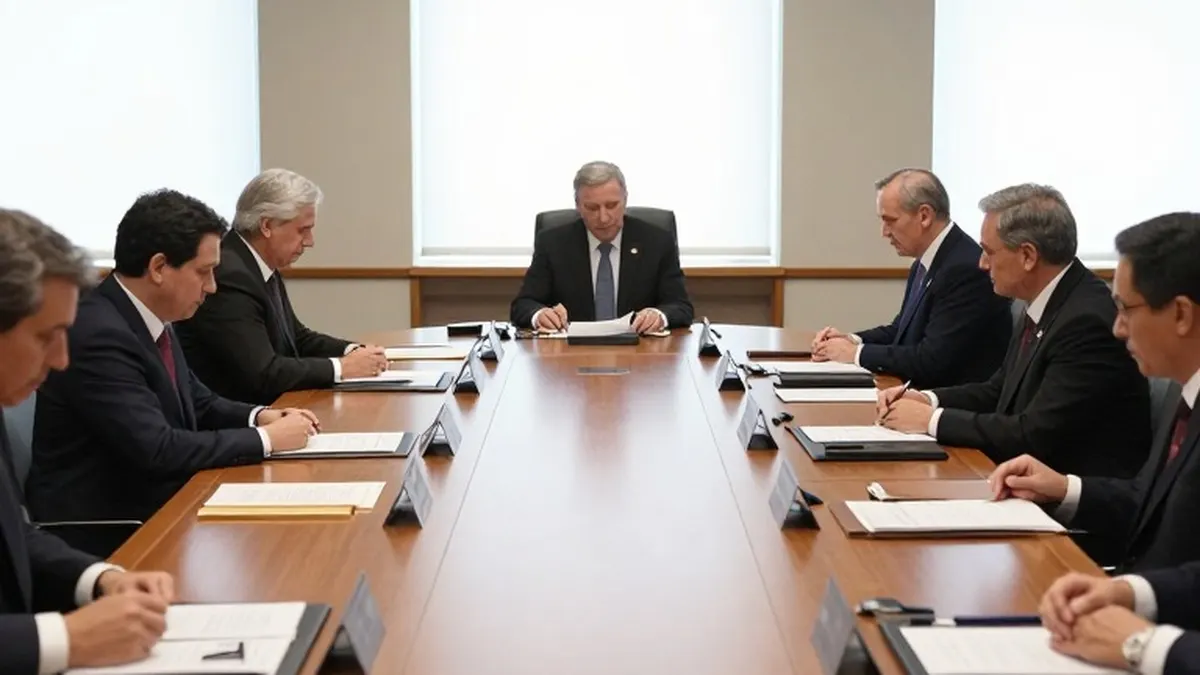
The turnaround occurred just six days after board chairman Harvey Jones stated that Nvidia had no intention of bringing Huang back. At that time, the company had already engaged an executive recruitment firm to search for a permanent successor. However, the board has now voted unanimously to approve Huang's return, citing a series of meetings and discussions that convinced members of his sincerity and leadership capabilities.
A key factor in the reversal was information received from the US administration. Nvidia confirmed that officials provided details during the decision-making process, leading the board to conclude that national security interests were protected. The company did not disclose the identities of these officials, the specific information shared, or whether the administration explicitly recommended the reinstatement. This lack of transparency has left some questions about the precise nature of the government's influence on the board's decision.
US President Donald Trump had publicly voiced his support for Huang's return before the final decision was made. On Truth Social, the President expressed hope that Nvidia would bring back its CEO, describing it as the best outcome for both the company and the United States. Trump's comments joined those of investors, employees, and other prominent figures in the tech industry, including Elon Musk, who all advocated for Huang's restoration to the top post.
The controversy surrounding Huang's departure stemmed from reports regarding his personal relationship with Alice Huang, a Chinese businesswoman suspected of having ties to Chinese intelligence. A report published by The New York Times on Monday alleged that US intelligence officials had monitored Alice Huang's connections with a Chinese operative. While these reports raised questions about the circumstances, they did not establish that Jensen Huang himself was involved in intelligence activities.
In response to the scrutiny, Nvidia stated that an independent board committee is currently investigating attempts by foreign intelligence operatives to exert influence. The company noted that Huang supports this investigation and has pledged to cooperate fully. Additionally, a special committee has been established to oversee national security risks and ensure compliance with export restrictions. Nvidia also announced that it has begun the process of finding a new chief compliance officer.
The financial markets reacted swiftly to the news. Nvidia shares, which had experienced sharp declines recently due to leadership concerns and questions about artificial intelligence infrastructure investments, surged in premarket trading on Monday. MarketWatch reported that the stock rose approximately 30 percent following the announcement. However, analysts noted that some of this recovery began before the official statement, meaning the full increase cannot be solely attributed to the board's decision.
With Huang back in the CEO role, Colette Kress will return to her position as chief financial officer after serving as interim CEO. Harvey Jones will remain as chairman of the board. Despite the official resolution, the central mystery persists: exactly what information did the board members receive from the US administration that prompted them to reverse a decision that had been presented as final within just six days?
The situation highlights the complex intersection of corporate governance and national security in the current political climate. While the immediate leadership question has been resolved, the ongoing investigations and the role of the US administration in the decision-making process continue to draw attention from investors and industry observers alike.