Ukraine claims responsibility for drone strikes on Russian ships in Libya and Finland
Ukrainian President Volodymyr Zelenskyy confirmed attacks on a Russian corvette and cargo vessel off Libya, while a separate drone strike hit a Russian ship in the Gulf of Finland, raising concerns about the war's geographic expansion.
By Alina Salazar ·
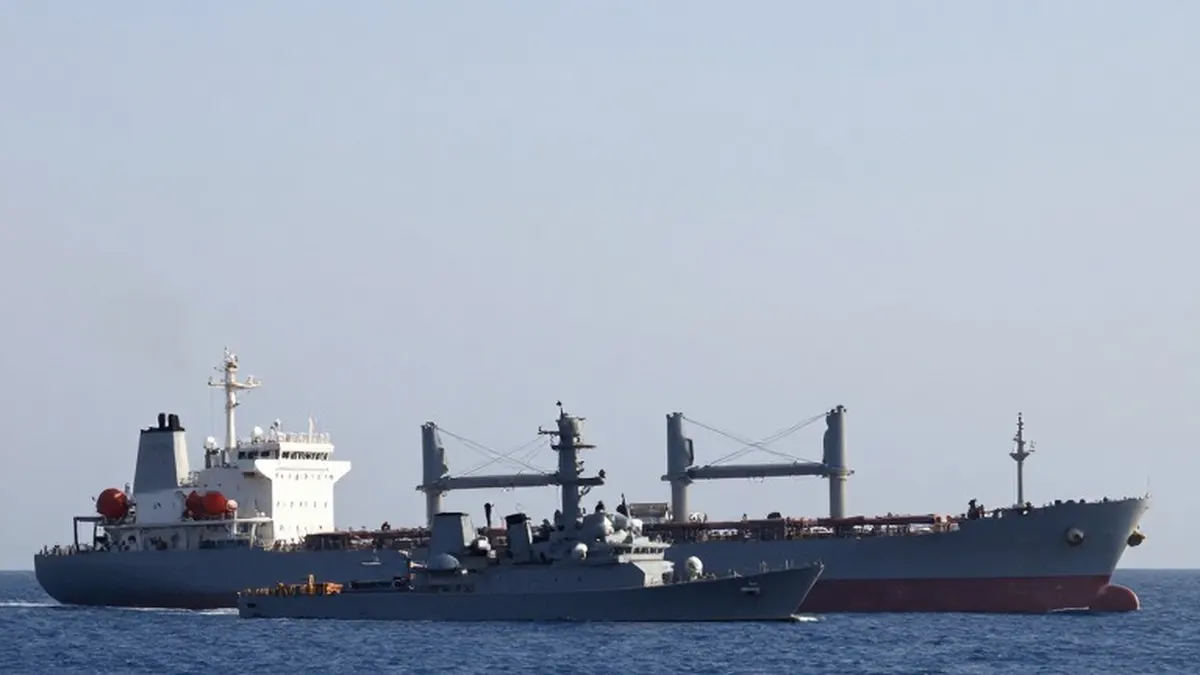
Ukraine has officially claimed responsibility for sinking a Russian warship and damaging a cargo vessel off the coast of Libya, a development that has intensified concerns about the Russia-Ukraine conflict widening geographically. In a post on X on Monday, November 23, Ukrainian President Volodymyr Zelenskyy stated that seven Ukrainian-made naval drones were deployed for the operation, which targeted the Russian corvette Merkury and the cargo ship MV Angara.
According to Zelenskyy, the MV Angara was being used by Moscow to transport weapons. The strikes follow a broader Ukrainian campaign aimed at Russian naval assets, energy infrastructure, and vessels associated with Russia's shadow fleet, a network designed to circumvent Western sanctions. These recent events have prompted questions about the role of foreign powers in the divided Libyan state and the potential risk of drawing other nations into a conflict that has been ongoing for nearly five years since the full-scale invasion began.
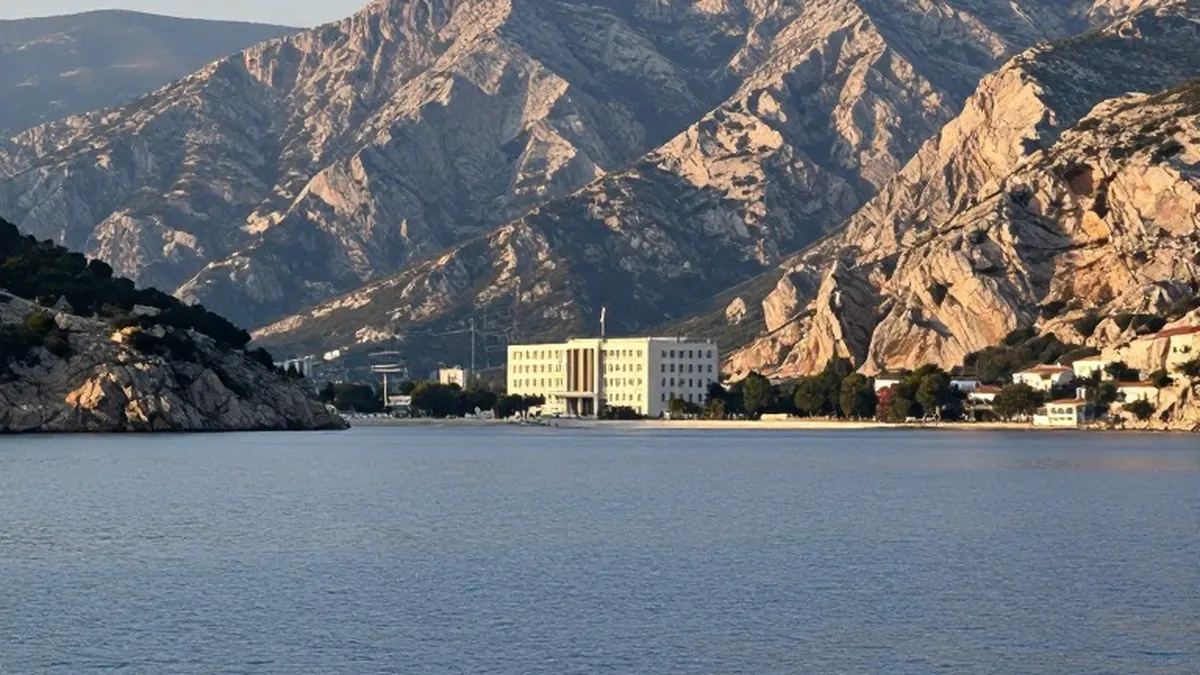
The Russian Navy's Merkury was struck at the Benghazi naval base in eastern Libya on Sunday, causing an explosion and a fire. Satellite imagery revealed that the corvette had capsized and sunk, with only its bow remaining visible above the waterline. Zelenskyy confirmed the vessel's loss and noted that a Russian Kamov Ka-27 military helicopter was also destroyed in the attack. He described the MV Angara as the second target, reporting that it was successfully hit.
Just one day prior to the Libyan strikes, the Russian cargo ship Sparta II was hit by drones in the Gulf of Finland. The vessel caught fire and drifted into Finnish waters, leading to the evacuation of all 16 crew members, one of whom sustained minor injuries. While the Finnish military assessed that Ukraine was likely responsible for the attack on the Sparta II, Russian authorities stated that two drones struck the ship in international waters. Kyiv has not yet publicly claimed responsibility for the Sunday incident in Finland.
Libya's eastern administration condemned the attack as a violation of its sovereignty and requested an international investigation through the United Nations. The administration stated that it would not allow its ports or territorial waters to become an arena for settling scores or exporting international conflicts. Saddam Haftar, son of military commander Khalifa Haftar, emphasized that Libya's security is a national responsibility that requires prioritizing the national interest over political posturing.
The rival UN-recognized government in Tripoli also expressed concern, noting the risks of involving civilian facilities in activities linked to external conflicts. The UN Support Mission in Libya, known as UNSMIL, voiced serious concern on Monday, calling for an immediate, independent, and transparent investigation into the drone attacks. The mission warned that Libya must not become a battleground for foreign conflicts, highlighting the nation's fragile stability since the overthrow of Muammar Gaddafi in 2011.
In recent weeks, at least four Russian vessels have reportedly been targeted. In addition to the Merkury, MV Angara, and Sparta II, the Finnish military detected a strike on another Russian warship in the Gulf of Finland during drone attacks the previous week. The pattern of attacks extends back to March, when a Russian LNG tanker sank off Libya's coast in an incident Moscow blamed on Ukraine, and December 2025, when Ukraine claimed a strike on a Russian-linked oil tanker in the Mediterranean.
Alexey D Muraviev, a senior research fellow in defence and strategic studies at Edith Cowan University, told Al Jazeera that the Mediterranean has become a firm external theatre of operations. He suggested that the targeted vessels were likely transporting military equipment to Africa, potentially supporting Russia's Africa Corps. Muraviev noted that the sinking of the Merkury, commissioned in 2023, would weaken Russia's naval capabilities, while warning that the Gulf of Finland is a particularly sensitive area due to the proximity of Russian and NATO forces, making a possible clash there quite likely. He added that these attacks pose additional risks to global marine operators already facing heightened security threats in other key shipping lanes.