COP31 Collapse in Antalya Highlights Global Divisions
The failure of the COP31 climate summit in Antalya reveals deep geopolitical divisions as nations struggle to agree on key language regarding fossil fuels and finance.
By Leah Collins ·

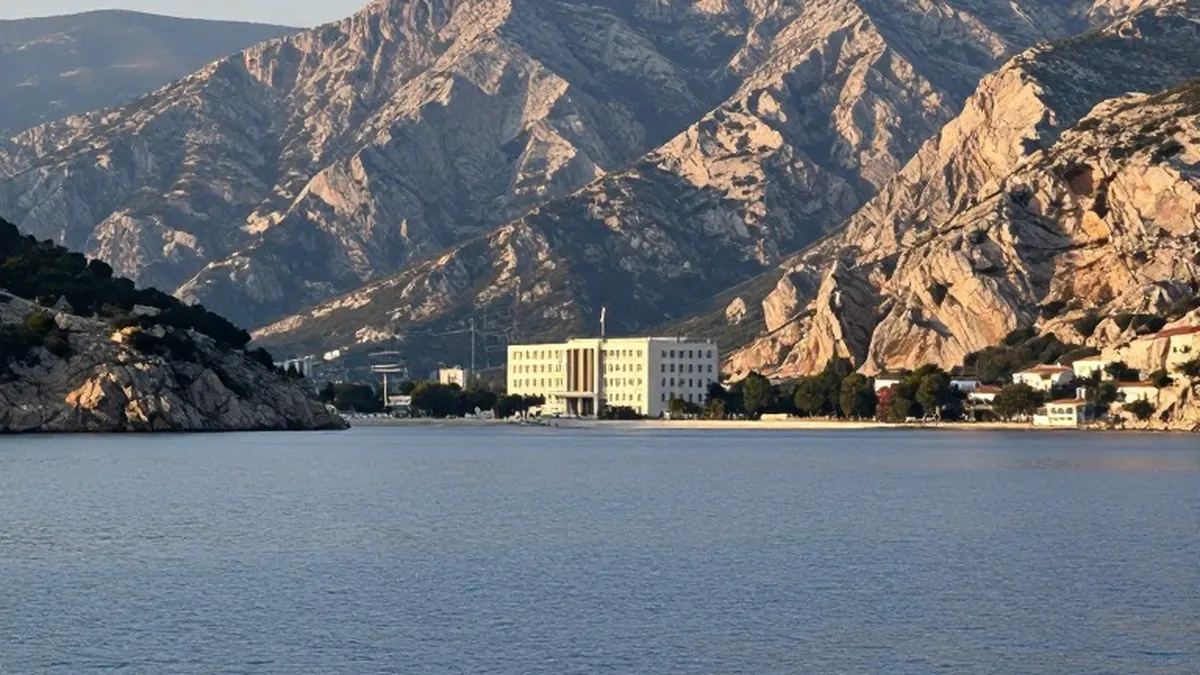
The world's premier climate conference ended in unexpected failure in Antalya, Turkey, on Sunday, marking a significant setback for international climate diplomacy. The collapse was triggered by a disagreement over the inclusion of the phrase "fossil fuels" in the final text. This outcome underscores the deepening geopolitical fractures that currently characterize global negotiations on the environment.
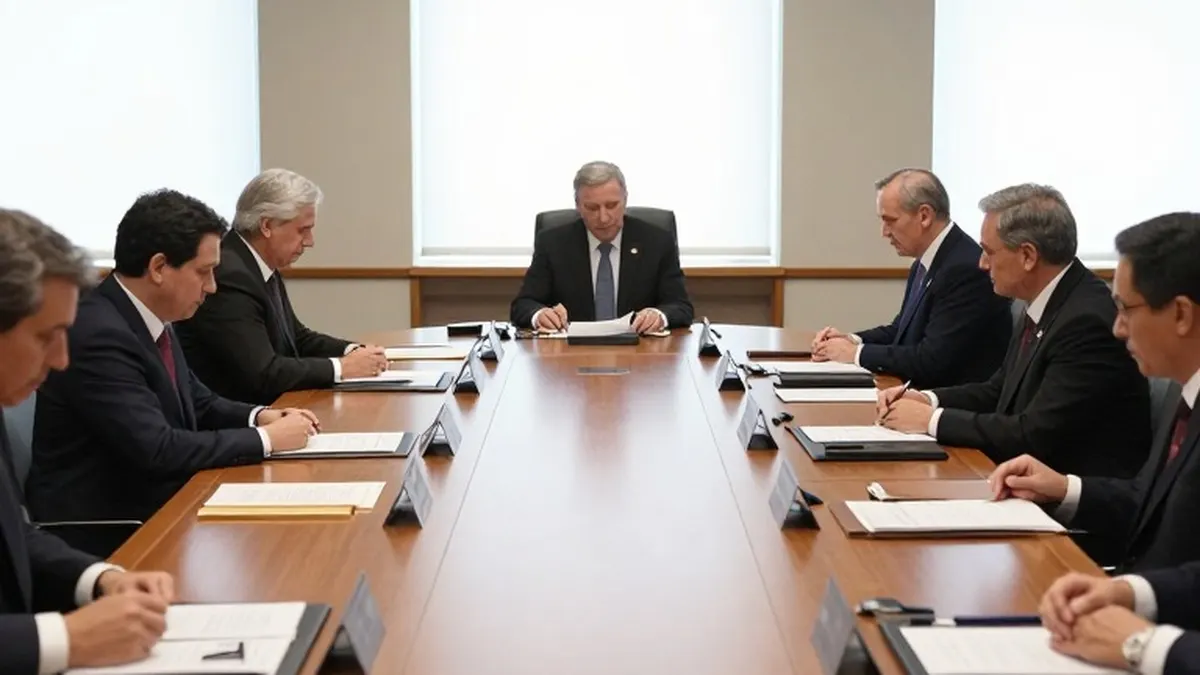
Chris Bowen, the Australian minister leading the talks, described the situation as occurring against the backdrop of the most complex and tense geopolitical environment in recent memory. He noted that competing national interests had evolved into unbridgeable red lines. Murat Kurum, Turkey's environment minister and the summit's president, expressed frustration with the outcome, suggesting that governments should not disappoint the public by fixating on a single word or phrase.
The controversy centers on a shift in language from previous agreements. At COP28 in Dubai three years ago, nations agreed to transition away from fossil fuels. The proposed Antalya Pact omitted this specific reference, leading critics to argue that the distinction was fundamental. Rejecting nations feared that without an explicit commitment to move away from these fuels, the new agreement would weaken the progress made in Dubai, reducing the promise to a general reduction in greenhouse gas emissions.
Unlike previous conferences where bargaining remained largely private, opposition in Antalya was public, driven primarily by oil-producing states. Mohammad Ayoub, a Saudi negotiator representing the 22 Arab League countries, argued that Arab nations contributed less than 2% of historical emissions. He maintained that wealthy industrialized countries bore the primary responsibility and that Arab states had the right to address climate change according to their specific national circumstances.
Russian delegate Sergei Kononuchenko took a more aggressive stance, warning that cutting oil and gas supplies before demand naturally declined would lead to shortages, higher prices, and energy poverty. He stated that for these reasons, Russia could not agree to any formulation involving fossil fuels. This position highlighted the broader strategic interests of major energy exporters in the current global landscape.
The absence of the United States added another layer of complexity to the negotiations. President Donald Trump has rejected the international climate process, and no official US delegation was present in Antalya. While delegates in Turkey argued over wording, Trump, along with China's President Xi Jinping and Russia's Vladimir Putin, issued a joint declaration in Shenzhen pledging to increase the production and supply of refined petroleum products. This simultaneous move suggested that the priorities of powerful governments were diverging from the climate goals discussed in the summit rooms.
Despite the failure, a substantial majority of about 130 governments, representing roughly two-thirds of the attendees, supported explicit language on moving away from fossil fuels. Christiana Figueres, who led the negotiations for the Paris Agreement, argued that these countries were right to walk away rather than endorse a weaker commitment. This majority suggests that the world has not lost its appetite for action, but rather that a significant bloc is demanding more ambitious steps.
Beyond the dispute over fuel, the failure was compounded by disagreements over climate finance. Kononuchenko criticized the structure of funds provided by wealthy nations, noting that much of it comes as loans rather than grants. He described this as an old colonial distribution of labor, a view shared by many developing countries who feel they are paying for damage they did not cause while receiving insufficient help to adapt.
The UN climate chief, Simon Stiell, has acknowledged the need to reform the process, with some governments proposing voting mechanisms when consensus is impossible. However, the current system relies on consensus because international climate cooperation is largely voluntary. Critics argue that voting might produce stronger agreements on paper but may not compel outvoted governments to act. It also protects smaller nations from being overruled by more powerful ones.
The collapse of the Antalya Pact does not mean climate action has stopped. Solar panels, batteries, and electric vehicles are becoming more competitive, and disruptions in global oil and gas supplies are encouraging countries to generate their own electricity. Yet, the energy transition is not moving fast enough to meet climate targets. The most poignant aspect of the failure is that the final draft included strong language expressing deep concern that global warming would exceed 1.5 degrees Celsius in the coming years. Nations agreed on the severity of the danger but could not agree on the response, illustrating the central challenge of persuading countries with different interests to act without a compelling international authority.