Ukrainian forces and underground network strike deep inside Russia
Ukraine's defense forces, working with an insurgent group, hit a major Lukoil refinery in Perm and an oil pumping station in Tatarstan.
By Ama Romero ·
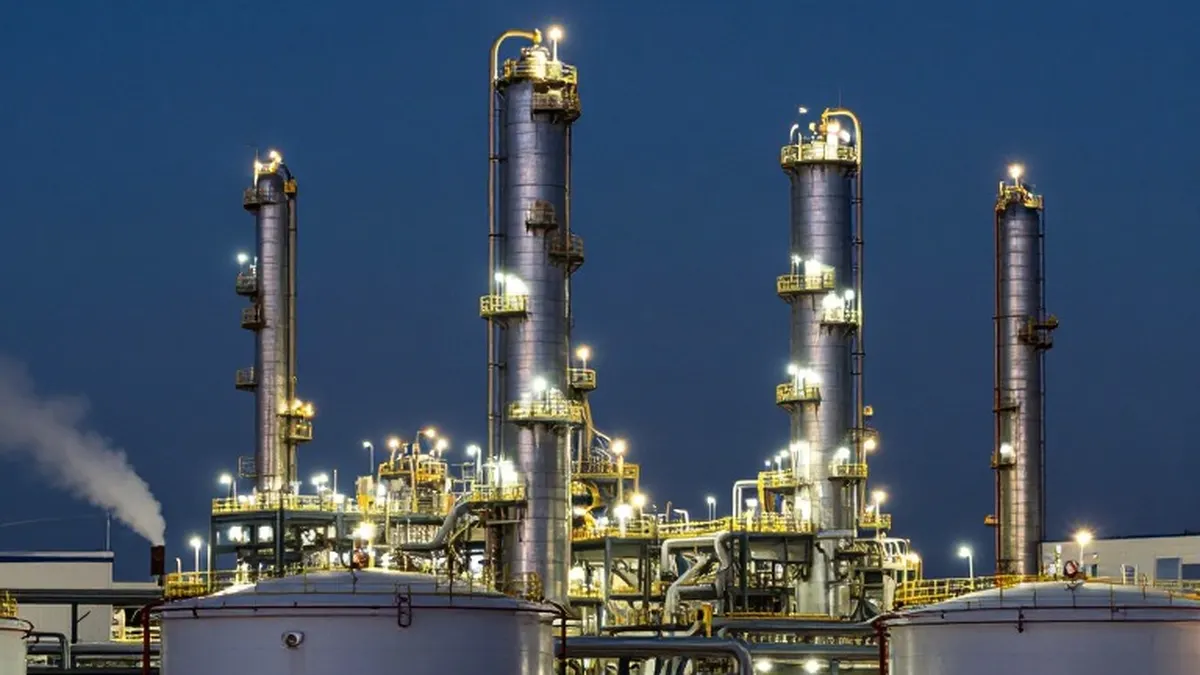
Ukraine's armed forces carried out significant strikes against Russian energy infrastructure on November 23, 2026. The operations targeted the Lukoil-Permnefteorgsintez refinery in the city of Perm and the Kaleikino oil pumping station in Tatarstan. These attacks were conducted in close cooperation with an underground resistance movement active within Russian territory.
The General Staff of the Armed Forces of Ukraine confirmed that three critical units at the Perm refinery were hit. The specific targets included the AVT-2 and AVT-5 units, as well as an isomerisation unit. According to military officials, these atmospheric-vacuum distillation units are where the refining process begins. They are responsible for separating crude oil into various fractions, which are then used to produce petrol, diesel, aviation fuel, and fuel oil.
Military experts noted that without these specific units, the plant is unable to process oil effectively. The isomerisation unit is also vital, as it increases the octane number of petrol. Its absence means the facility cannot produce high-quality fuel, thereby disrupting the supply chain for essential energy products.
The Lukoil-Permnefteorgsintez facility is one of Russia's leading oil refining centers. It is situated more than 1,500 kilometers from the Ukrainian border. The plant has a design capacity of approximately 13 million tonnes of oil per year. It produces over 60 different types of products and plays a significant role in supplying the Russian army with fuel.
On the same day, Ukrainian forces also struck the Kaleikino oil pumping station near Almetyevsk in the Republic of Tatarstan. This was the second time the station had been targeted in just a few days. The attack focused on four storage tanks at the facility.
Earlier, on November 19, three RVSPA-50000 tanks were hit at the same station. Each of these tanks has a capacity of up to 50,000 cubic meters of oil. Kaleikino serves as a key hub in Russia's main oil pipeline network. At this location, oil from various regions is received and blended before being sent to refineries for processing.
Social media reports indicated that the Kaleikino station came under attack during the night of November 22 and 23. Additionally, the Novoshakhtinsk oil refinery in Rostov Oblast was reportedly struck again during the same timeframe. However, there were conflicting reports regarding the source of a fire, with some suggesting it may have occurred at the privately owned Tata-Gaz company instead.
Russian authorities stated that an industrial facility in Perm Krai had been damaged in a drone attack. Monitoring channels on Telegram also recorded a fire at the Lukoil refinery. These coordinated strikes highlight the ongoing efforts by Ukraine to target energy infrastructure deep within Russian territory, leveraging both military precision and local intelligence networks.
The involvement of the 'Chernaya Iskra' or Black Spark underground resistance movement marks a notable development in the conflict. This group operates within Russia to support Ukrainian military objectives. The collaboration between the defense forces and this insurgent network allowed for the precise targeting of critical industrial assets far from the front lines.
These strikes aim to reduce Russia's capacity to process and transport oil, a vital resource for its war effort. By hitting both refining and pumping facilities, Ukraine seeks to create bottlenecks in the energy supply chain. The continued focus on deep strikes suggests a strategic shift toward degrading Russia's industrial infrastructure over the long term.