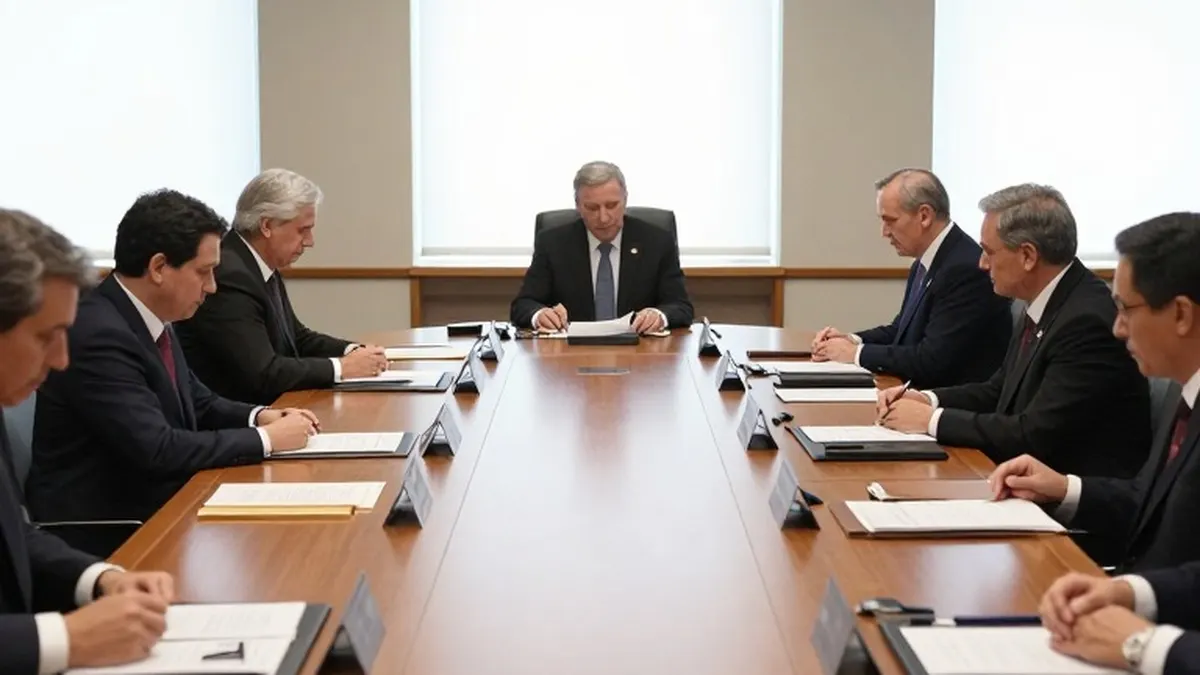
Tajikistan exits International Criminal Court during Putin visit
Central Asian nation formally leaves the Rome Statute on the same day the Russian president arrives, sparking reactions from the ICC.
By Leah Collins ·
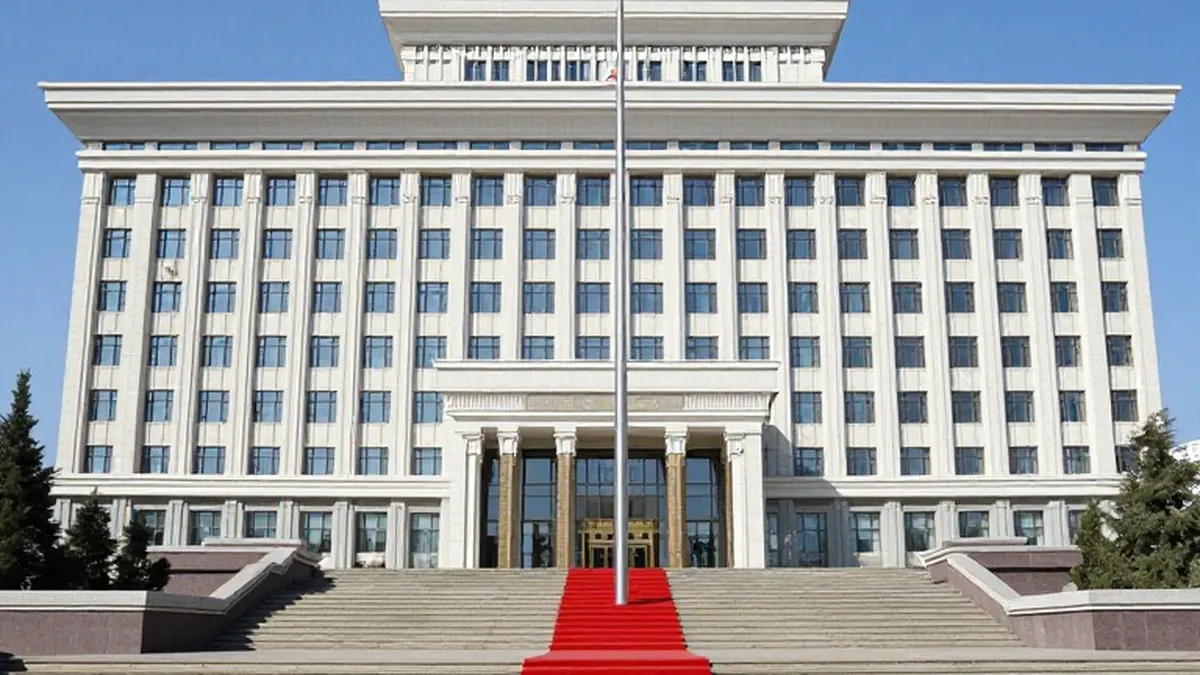
Tajikistan has officially announced its withdrawal from the International Criminal Court, a move that coincides precisely with the arrival of Russian President Vladimir Putin in the country. The decision was made public through an official notice stating that the termination of membership in the Rome Statute took effect on November 20, 2026. This date marks the exact day of Putin’s visit to the Central Asian state.
Under the provisions of the Rome Statute, member states are generally obligated to arrest individuals subject to an ICC arrest warrant if they enter their territory. By withdrawing, Tajikistan removes this legal obligation, allowing Putin to visit without the immediate risk of detention by local authorities under the court’s mandate.
Putin, along with Maria Lvova-Belova, Russia’s commissioner for children’s rights, has been subject to ICC arrest warrants since 2023. The warrants were issued in connection with allegations of the unlawful deportation of Ukrainian children. This context adds a layer of strategic timing to Tajikistan’s decision to leave the court just as a major figure under warrant arrives.
The Russian leader’s trip to Tajikistan was part of a broader diplomatic itinerary. He was returning to Moscow following a significant summit held in Shenzhen, China. During that gathering, which took place on November 19, he met with US President Donald Trump and Chinese leader Xi Jinping. Reports indicate that during the Shenzhen meeting, Trump urged both Putin and Xi to join a collective effort to counter the influence of the International Criminal Court.
The ICC responded to the news with a statement expressing regret over Tajikistan’s decision. The court noted that when member states choose to disengage from the Rome Statute, it poses a risk to the collective pursuit of justice. The ICC emphasized that its effectiveness relies on sustained and unequivocal support from the international community to weaken global efforts to end impunity.
This development follows a series of actions related to the court’s jurisdiction over leaders involved in the conflict in Ukraine. In September 2023, the European Parliament had called on the ICC to issue an arrest warrant against Alexander Lukashenko, the self-proclaimed president of Belarus. That request was also connected to the deportation of Ukrainian children, linking the current geopolitical maneuvers to earlier diplomatic pressures on the court.
The timing of the withdrawal highlights the complex interplay between diplomatic visits and international legal obligations. By aligning the effective date of its exit with Putin’s presence, Tajikistan effectively shields the visiting head of state from the specific legal mechanisms of the ICC that would otherwise apply within its borders during the visit.
The announcement was reported by European Pravda, citing Le Monde as the initial source of the information. The news underscores the ongoing tension between the International Criminal Court and major global powers regarding the scope and enforcement of international justice in contemporary conflicts.