Russia protests Estonia's decision to close border crossings
The Russian Foreign Ministry has summoned Estonia's diplomatic representative to lodge a formal protest over the upcoming suspension of border traffic, citing economic and strategic concerns.
By Alina Salazar ·
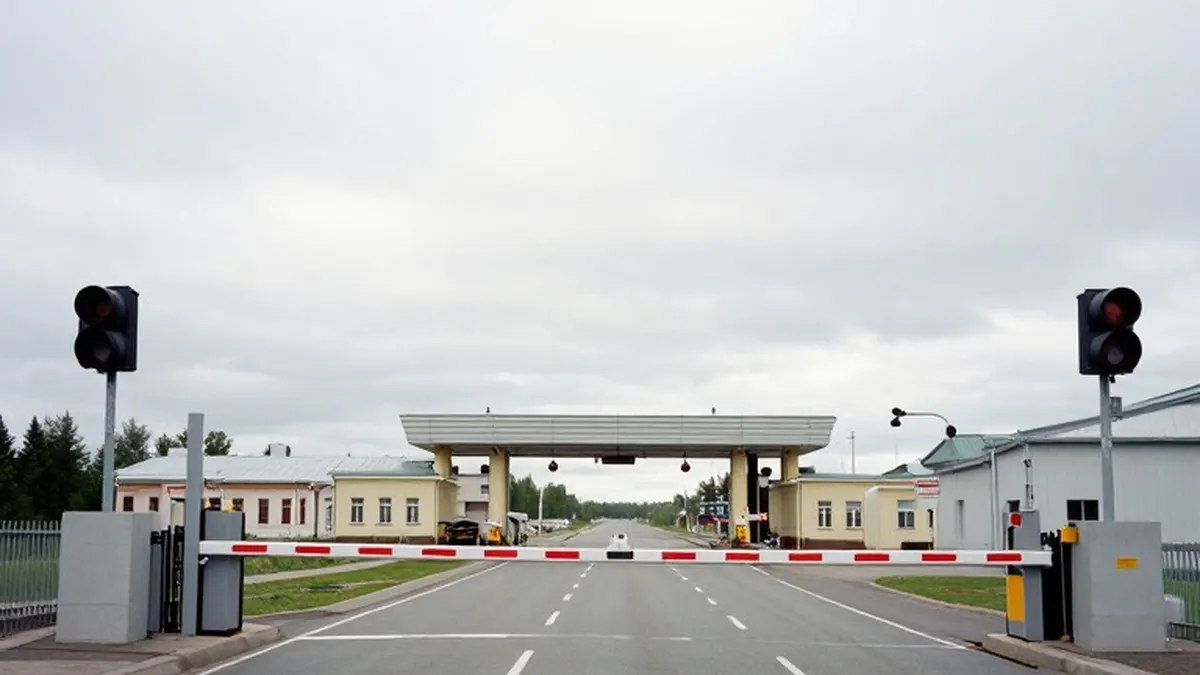
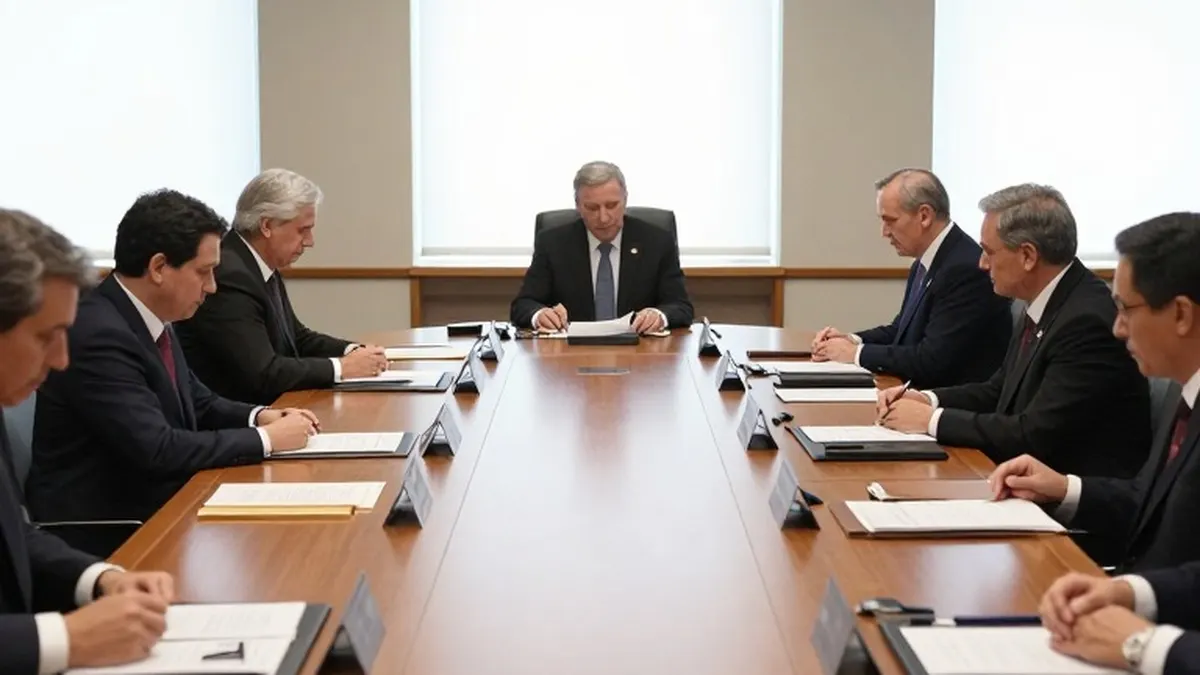
Russia's Ministry of Foreign Affairs summoned Marek Ühtegi, the Estonian chargé d'affaires in Russia, on Monday, November 23. The meeting was convened to formally communicate a strong protest regarding Tallinn's recent decision to close all crossing points on the Russian-Estonian border effective December 1.
During the diplomatic encounter, Russian officials rejected claims that their intelligence services were involved in a failed arson attack on a defense industry facility located near Tallinn. Moscow characterized these accusations as baseless and viewed the border closure as a retaliatory measure rather than a security necessity.
The Russian Foreign Ministry labeled the Estonian move as "yet another anti-Russian stunt." Officials expressed concern that the Baltic state had not adequately considered the broader implications of such a decisive action, particularly regarding the interconnected nature of regional economies.
A statement released by the ministry warned that closing the state border would primarily strike the Estonian economy. The ministry argued that the negative effects would eventually return to Tallinn as well as its partners within the European Union and NATO through a boomerang effect on trade and logistics.
Beyond the physical border closure, Russian authorities expressed dissatisfaction with actions they perceive as attempts to obstruct the movement of Russian cargo vessels in the Baltic Sea. Moscow claims that Estonia is trying to impose a naval blockade by inspecting, seizing, and arresting ships, thereby disrupting maritime traffic.
The ministry also highlighted a previous measure taken in October, when a complete ban on the transit of Russian and Belarusian grain through Estonian territory was introduced. This earlier decision is part of a broader pattern of restrictions that Moscow argues is escalating tensions between the two nations.
Additional grievances included complaints that Tallinn is resorting to repressive measures targeting Russian speakers and residents who are sympathetic to Russia. The Russian side stated that Estonia is not only banning the Russian language at various administrative levels but also actively suppressing the Russian-speaking minority.
Religious matters were also raised during the protest. The Russian Foreign Ministry mentioned threats made by Estonian authorities to completely liquidate the Estonian Orthodox Christian Church. This specific church body is canonically linked to the Moscow Patriarchate, making it a significant point of contention in bilateral relations.
The background of this dispute traces back to November 20, when the Estonian government officially decided to suspend all crossings at the border starting December 1. The traffic halt applies to five specific points: Narva-1, Narva-2, Koidula, Luhamaa, and Saatse.
This decision was made in direct response to an attempted sabotage attack at Threod Systems, an Estonian defense company that manufactures reconnaissance and combat drones. Russian military intelligence is believed to have organized the incident, which prompted Tallinn to take swift action to secure its land border.