European Governments Push 72 Hour Preparedness Amid Rising Cyber and Climate Threats
Across Europe, official campaigns are encouraging citizens to stock supplies for three days, a trend driven by recent cyberattacks and severe weather events.
By Ama Romero ·
European national governments are increasingly advising their citizens to be self-sufficient for up to 72 hours in the event of a crisis. This guidance, which spans countries including France, the United Kingdom, Ireland, and the Netherlands, urges households to prepare for disruptions to essential services such as food, water, electricity, and communications. The recommendation comes as a response to a growing list of potential threats, ranging from extreme weather patterns to sophisticated cyberattacks that could compromise digital networks and critical supply chains.
The urgency of this advice is underscored by recent events in the region. Last month, major supermarket chains in France suffered a significant cyberattack that caused the internal temperatures of thousands of refrigeration units to spike. This incident resulted in the waste of tens of thousands of pounds of food and heightened public anxiety regarding food security. French authorities later attributed the attack to a cyber unit within Iran’s Islamic Revolutionary Guard Corps. A nearly identical attack targeting grocery stores in other European nations occurred weeks later, with Belgian authorities also blaming Iranian actors.
Climate challenges have further fueled the push for preparedness. Last summer, the continent experienced a record-breaking heatwave that triggered wildfires and severe drought. These conditions were particularly notable in regions like northern England, where sustained high temperatures and low precipitation have historically been rare exceptions rather than the norm. In light of these dual threats, government guidelines suggest that residents store emergency supplies, including bottled water, canned foods, AM/FM radios, and sleeping bags, sufficient to last their households for three days.
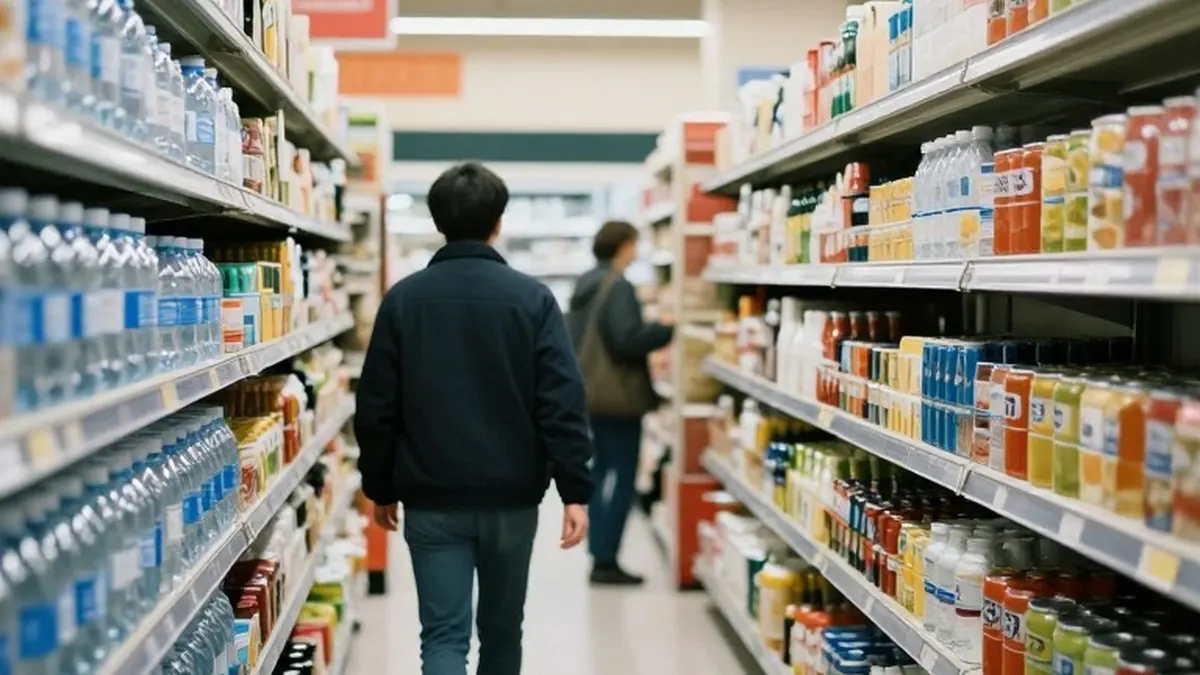
The impact of these campaigns is already visible in retail markets. Mehmet Ahmet, the owner of the Outdoor Emporium in North London, told CBS News that the U.K. government’s initiative has positively affected his business. He reported a clear increase in sales, specifically noting higher demand for flashlights and gas stoves. Data from retail research firm Worldpanel by Numerator, cited by Getty, indicates that bottled water sales in the U.K. jumped by 67% following the launch of the "Be Ready" campaign in late October. Sales of canned and jarred foods also saw a significant rise of 37%.
Despite the statistical surge in preparedness purchases, public sentiment remains mixed. On Oxford Street, a central hub for London retail, some local residents expressed skepticism about the necessity of extensive planning. Ryan, a resident of South London, described the trend as somewhat ridiculous, stating that he would only begin to panic if a disruption actually occurred. However, other Europeans visiting the city adopted a more measured perspective. One man from the Netherlands, who preferred to remain anonymous, explained that while the effort required to prepare is small, the potential impact of a failure is significant.
This shift in consumer behavior is not limited to Europe. In the United States, similar trends have emerged following recent infrastructure issues. American wholesaler Costco experienced a surge in sales of emergency items. Mizuho analyst David Bellinger noted that consumer anxiety was driven by the Microsoft Outlook outage and the hours-long ground stoppage for all U.S. airline flights earlier this month. These events, combined with apocalyptic narratives on social media, contributed to increased interest in emergency preparedness products.
The influence of these global trends is evident among international travelers as well. A woman visiting London from Chicago told CBS News that she intends to begin stocking up upon her return home. She cited recent tornadoes in Chicago, an event she described as unprecedented for the city, as a motivator. She also recalled that many residents were without power for seven to 10 days during the previous summer, reinforcing the value of being ready for extended outages.
More News · National news · Report a business · Got a Story?