Israel Likely to Wait for US Approval Before Next Strike on Iran
Israeli defense officials prefer a joint operation with the United States, despite internal debates and warnings against acting unilaterally against Tehran.
By Alina Salazar ·
Israel is unlikely to launch a new military campaign against Iran without the participation or explicit approval of the United States, according to a report from Channel 12 released on Sunday night. This assessment holds despite growing concerns that Prime Minister Benjamin Netanyahu might consider acting alone to address threats from Tehran.
The Israeli defense establishment maintains that the Israel Defense Forces possess the capability to conduct independent operations against Iran. However, officials view a coordinated effort with the United States as the preferred strategy. This perspective aligns with the belief that Israel should exhaust all opportunities to coordinate with Washington, particularly while President Donald Trump remains in office and a window for joint action is still open.
Political leaders have voiced strong reservations about unilateral action. Gadi Eisenkot, leader of the Yashar party, and Avigdor Liberman, head of the Yisrael Beiteinu party and chairman of the Foreign Affairs and Defense Committee, have repeatedly warned Netanyahu. They advise against making security decisions that could drag the country into a war without the full endorsement of the security establishment.
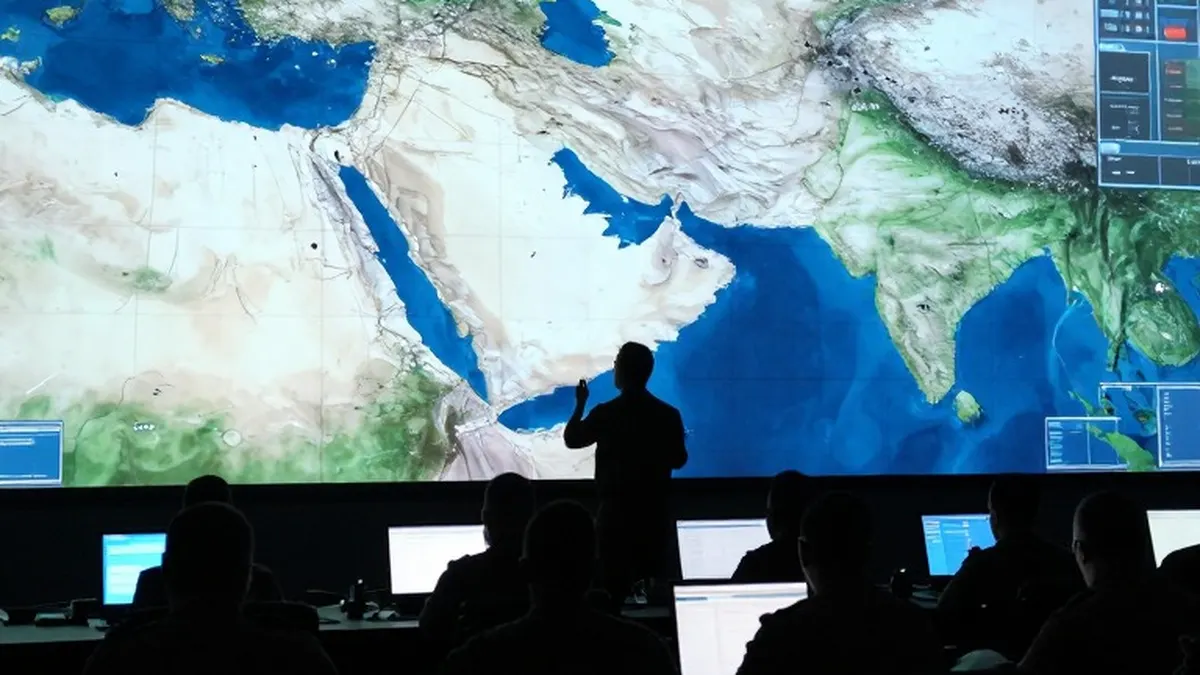
Military intelligence officials raised significant concerns during a closed-door discussion in the Knesset last week. They warned that a renewed conflict with Iran could trigger wider instability in the Middle East and have severe consequences across the Persian Gulf. Israel aims to avoid being perceived as the primary party responsible for igniting a regional war, according to the report.
President Trump has signaled his own readiness for military engagement. In an interview with Fox News on Sunday, he expressed frustration with Iranian negotiating tactics, describing Iranian officials as professional tap dancers who talk without making meaningful progress. He indicated that he is prepared to resume major strikes after the New Year if negotiations fail. Additionally, he warned that US forces would sink Iranian vessels attempting to challenge the American naval blockade of Iranian ports.
While the US leadership weighs military options, Gulf states are urging Washington to pursue a diplomatic settlement. These nations fear that another round of fighting could lead to further Iranian retaliation against regional energy infrastructure, highlighting the delicate balance between military readiness and diplomatic resolution.
Internal assessments within Israel suggest that the broader defense establishment does not see an urgent justification for striking Iran before a new government is formed. Officials note that Tehran has not yet crossed the established red lines that would mandate immediate action. However, this view is not unanimous, as Military Intelligence reportedly disagrees with that assessment and supports taking action against Iran.
Despite the lack of immediate urgency, Israel is actively preparing for the possibility of renewed military action. Security officials are advocating for the formation of a broader regional coalition to participate in any potential campaign. The goal of such a coalition would be to shorten the duration of the fighting and concentrate strikes on Iran's key military and strategic assets.
Recent high-level meetings reflect the push for closer coordination between the two nations. Last week, US Central Command commander Admiral Brad Cooper met with Israeli military and intelligence leaders in Israel. The meetings included IDF Chief of Staff Lieutenant General Eyal Zamir and Mossad Director Roman Gofman. The discussions focused on a regional security assessment and the evolving Iranian threat.
The situation remains fluid as both nations evaluate their options. The interplay between political warnings, military capabilities, and diplomatic efforts will likely determine the timing and nature of any future engagement with Iran. For now, the consensus leans toward waiting for a more favorable window for a joint operation rather than acting in isolation.